Today, light festivals have evolved into a global phenomenon, becoming major visitor attractions and significant drivers of urban tourism. They revitalise city centres during quieter months, drawing immense crowds and boosting local economies. Beyond the economic impact, they serve as vibrant cultural showcases, reflecting and celebrating a city’s unique identity and artistic talent.
Modern day light festivals build on a tradition which has existed for millennia. From Diwali, the Hindu festival of lights, to ancient winter solstice celebrations, where bonfires defied the longest night, light was a universal symbol of hope, renewal, community and triumph over darkness.
As technology advanced, so too did our ability to harness light for celebration. From flickering oil lamps and candles to the widespread adoption of gaslights and then the advent of electricity, each innovation allowed for grander, more intricate displays, laying the groundwork for the modern marvels we see today.
Boosting communities and economies
Particularly popular in Northern Europe, light festivals have been adopted by cities like Amsterdam, Ghent, Helsinki and Berlin, where events combine illuminated sites – transforming buildings and landmarks into a magical wonderland – and artistic installations. The UK’s most famous light festival is probably London’s Christmas at Kew, with Lumiere and Light Night are well known for flooding Durham and Leeds in light and art too. North of the border, Edinburgh’s Castle of Light is a popular tourist attraction which brings visitors into the city.
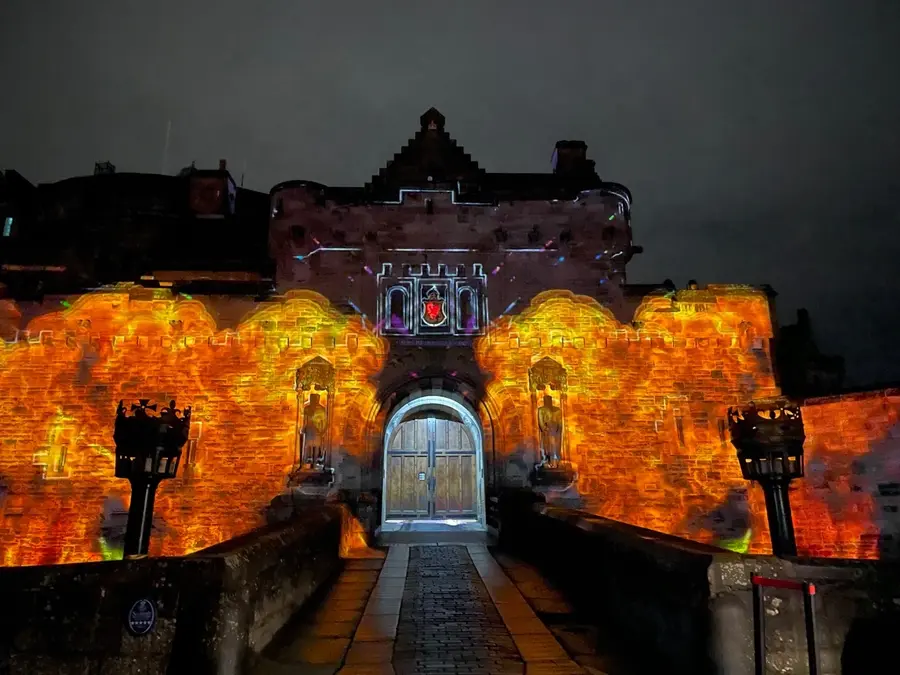
One of the purposes of the modern day light festival is to make art and culture accessible to a wide audience and the outdoor nature of these events brings people together. Beyond the pretty spectacle, these events promote interactivity and foster a profound sense of shared experience.
Through projection mapping, familiar architectural landmarks and public spaces are transformed into dynamic, living canvases, offering entirely new perspectives on the urban environment. This dynamic interplay of event lighting and projection creates immersive worlds where art literally surrounds you. Blackbeam has seen time and again how these large scale installations promote a sense of excitement and near child-like wonder – we are all hardwired to react favourably to shiny things!
Three Top Light Festivals Tourist attractions
At the top end of this modern incarnation of this age old celebration are festivals which take event lighting and projections to extra levels of awe! Three of the best known light festivals are:
Vivid Sydney stands as a global beacon for light art. Renowned for its spectacular light installations and inspirational projection mapping onto iconic structures like the Sydney Opera House and Harbour Bridge, it’s a prime example of a festival that seamlessly combines stunning visuals with music and innovative ideas. Millions flock to Vivid Sydney every year and it has become one of the Australian city’s top tourist events.
The Fête des Lumières in Lyon offers a powerful blend of history and modernity which transforms France’s second city. Its roots go back to the 16th Century when the plague ravaged city saw a spontaneous lighting of candles by citizens to celebrate the installation of a Virgin Mary statue. In the 21st century, contemporary artists transform Lyon’s facades, streets, and squares with sophisticated light installations and complex projections, honouring its heritage while embracing cutting-edge artistic expression.
Finally, the Signal Festival in Prague is a highly influential event dedicated to digital art and new media which has become a popular Czech tourist attraction. It features innovative video mapping on the city’s historical buildings and highly interactive light installations. Signal is a hub for avant-garde light art, pushing boundaries and creating deep engagement with its audience.
In an increasingly digital world, these are example of light festivals which offer a unique blend of urban landscape transformation, audience interactivity and digital artistry. History advances, society and culture changes, but light festivals endure – tapping into a primeval need and desire to celebrate light.
Whether rooted in ancient rituals or born from modern technology, light festivals continue to illuminate our public spaces, offering a beacon of wonder, connection, and shared joy that truly transcends time.

